
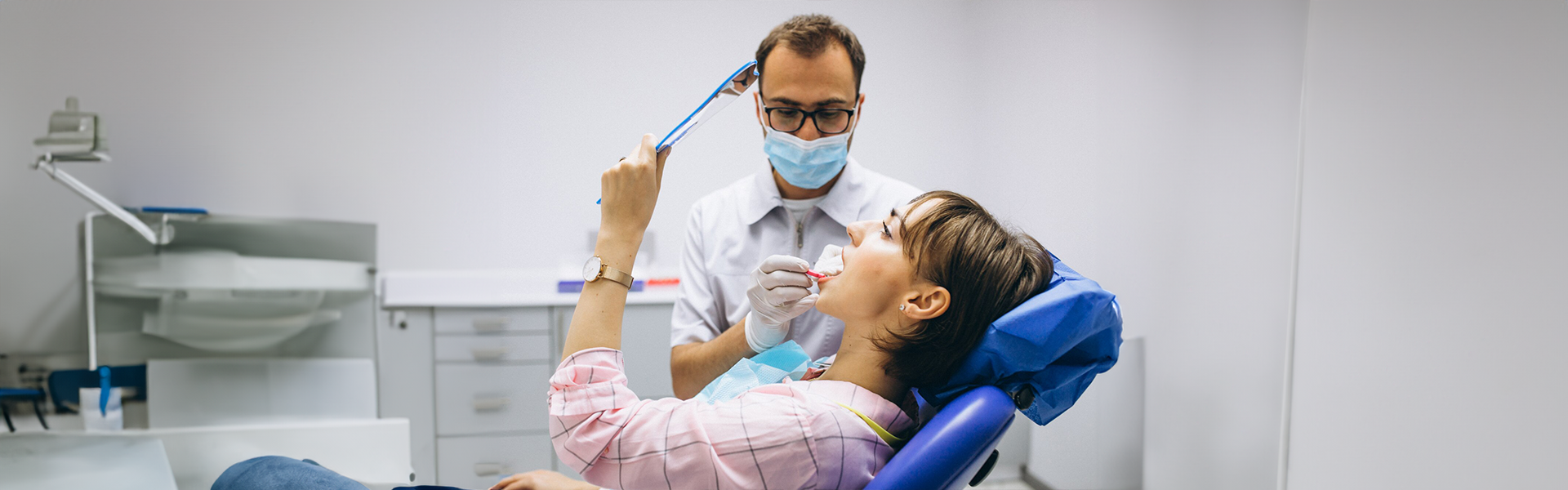
Root Canals in Houston, TX
Save Your Smile: Effective Root Canal Treatment in Houston
Toothaches are never fun, and a throbbing pain could signal a deeper problem. If you’re searching for “best endodontics near me” or “Houston endodontics,” At Westchase Dentist, we provide expert root canal treatments to eliminate infection, alleviate pain, and preserve your natural tooth.
Understanding Root Canals
A root canal in Houston, also known as endodontic therapy, addresses a common dental issue: infected or damaged pulp. The pulp refers to the soft tissue core of your tooth, which consists of nerves and blood vessels. Deep decay, repeated procedures, or trauma can lead to pulp infection. This infection can cause extreme pain, swelling, and tooth loss.
Signs You Might Need a Root Canal
Here are some indicators that a root canal could be necessary:
- Intense Tooth Pain: Especially at the time of chewing or applying pressure.
- Lingering Sensitivity: To hot or cold temperatures.
- Tooth Discoloration: A darkening of the tooth.
- Swollen and Tender Gums: Surrounding the affected tooth.
- Recurring Pimples: On the gums near the tooth.
Houston, TX, Root Canal Procedure
Our goal is to make your root canal experience as comfortable and stress-free as possible. Here’s a breakdown of the process:
- Consultation and Diagnosis: We’ll examine your tooth and take X-rays to decide the extent of the damage or infection. This helps confirm if a root canal is the best course of action.
- Anesthesia: Local anesthesia numbs the area for a pain-free procedure.
- Accessing the Pulp: A small opening is generated in the tooth crown to reach the pulp chamber.
- Removing Infection: Specialized tools carefully remove the infected or damaged pulp.
- Cleaning and Shaping: The inside of the tooth is thoroughly cleaned and shaped for filling.
- Filling the Canal: The cleaned space is filled with a biocompatible material renowned as gutta-percha to seal the canal and prevent future infection.
- Reclaiming the Tooth: A filling or crown is positioned to protect, strengthen, and restore the tooth’s function and appearance.
Why Westchase Dentist
- Experienced Endodontists: Our team includes highly skilled endodontists specializing in precise and effective root canal procedures.
- Advanced Technology: We utilize state-of-the-art equipment for accurate diagnosis and treatment.
- Comfort-Focused Care: We prioritize comfort with a relaxing environment and gentle techniques to minimize anxiety.
- Convenient Location: Easily reachable for those searching for root canal near me.
Post-Procedure Care and Recovery
Following your root canal, proper care is crucial for a successful recovery:
- Follow-up Appointments: Attend scheduled check-ups to ensure the treated tooth heals appropriately.
- Maintain Oral Hygiene: Consistent brushing and flossing are essential.
- Avoid Hard Foods: Refrain from chewing hard foods on the treated tooth until thoroughly restored with a crown.
Save Your Smile Today
Root canal at Westchase can relieve pain, eliminate infection, and save your tooth. We offer expert root canal treatments in Houston to restore oral health and smile. If you’re experiencing symptoms or need a consultation, contact us today. Don’t let a painful tooth linger. Contact Westchase Dentist today to schedule your root canal consultation!
FAQs
A root canal is a procedure used to eliminate infected or damaged pulp inside a tooth. It helps save the natural tooth and prevents the spread of infection.
Modern root canal treatments are not painful. Local anesthesia is used, and most patients feel little to no discomfort during the procedure.
Most root canals can be done in one or two visits, relying on the complexity of the case.
Common signs include severe tooth pain, sensitivity to hot or cold, swelling, or a pimple on the gums.
With proper care, a treated tooth can last many years or even a lifetime.
After the procedure, the tooth is usually reinstated with a crown to protect it and restore full function.
Saving your natural tooth is usually the best option. A root canal helps maintain your bite and prevents the shifting of surrounding teeth.