
Why Am I Snoring So Much? Signs of Sleep Apnea You Shouldn’t Ignore
A soft snore once in a while does not worry most people. But loud, nightly snoring that shakes the room can point to a deeper problem. For many adults, it is the first clue that their airway narrows during sleep and that their body fights for air. That pattern can place strain on the heart, brain, and immune system over time.
If you search for sleep apnea treatment in Houston, TX, you may already suspect that snoring is more than a nuisance. This guide walks through when snoring becomes a health concern, how sleep apnea works, and how a dentist can help you breathe more easily at night.
When Snoring Becomes A Health Concern
Snoring happens when air struggles through a blocked or narrowed airway. The tissues in the throat vibrate and create the noise you hear. On its own, snoring is not dangerous. The concern starts when snoring comes with other symptoms, such as:
- Breathing pauses that others notice
- Gasping or choking during sleep
- Morning headaches or dry mouth
- Daytime fatigue despite a full night in bed
- Trouble concentrating or mood changes
These signs suggest that your brain does not receive steady oxygen through the night. When the airway closes night after night, the body works harder than it should. This added stress can contribute to high blood pressure, heart issues, stroke risk, and changes in how the body manages insulin.
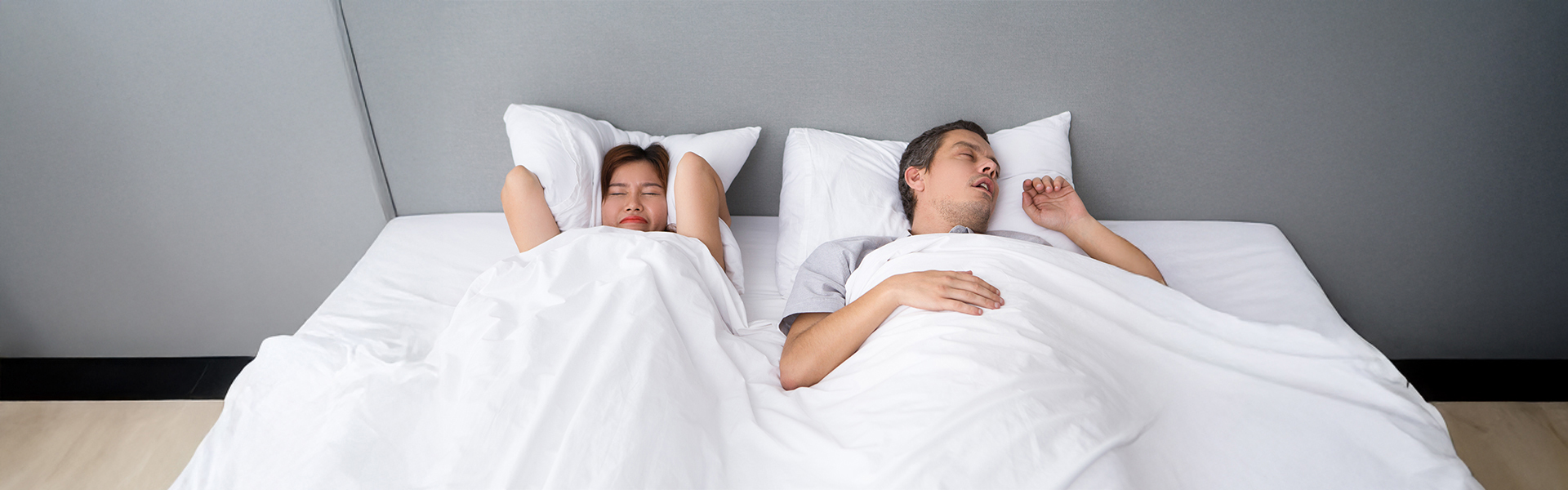
If bed partners complain about your snoring or worry about pauses in your breathing, it is worth a closer look. Snoring may feel normal to you, yet it still points to a sleep disorder that needs care.
What Causes Snoring?
Many factors can narrow the airway and trigger snoring. Some are short-term, while others link to anatomy or lifestyle. Common causes include:
- Nasal congestion from colds or allergies
- Weight gain, which adds tissue around the neck
- Sleeping on your back
- A small or receding jaw
- Large tonsils or tongue
- Alcohol before bed, which relaxes throat muscles
For some people, simple changes help. Raising the head of your bed, limiting alcohol before sleep, and treating nasal congestion can all help ease snoring for many adults.
For others, snoring connects to the structure of the jaw and throat. When the tongue slides back during sleep and presses against the soft palate, the airway narrows and airflow slows down. In these cases, snoring may be a symptom of obstructive sleep apnea rather than a simple annoyance.
When Snoring Could Be A Sign Of Sleep Apnea
Obstructive sleep apnea happens when the airway collapses again and again during sleep. Each time, airflow stops or drops, oxygen levels fall, and the brain briefly wakes the body to reopen the airway. Many patients do not remember these awakenings, yet they may happen dozens of times per hour.
Snoring is often present with sleep apnea, but the sound alone does not confirm the diagnosis. Warning signs that snoring might signal sleep apnea include:
- Loud, chronic snoring heard in other rooms
- Witnessed pauses in breathing
- Waking with a choking or gasping sensation
- Morning headaches or sore throat
- Extreme daytime sleepiness, even during quiet activities
- Difficulty with memory, focus, or work tasks
If these signs sound familiar, a sleep evaluation is important. A physician or sleep specialist can order a home sleep test or an in-lab study. Dentist in Houston, TX who focus on airway health often work as part of this care team.
Risk Factors For Sleep Apnea In Houston Residents
Certain factors increase the chance that a snoring adult in Houston has sleep apnea:
- Excess body weight or a large neck size
- Age over 40, though younger adults can be affected
- A family history of loud snoring or sleep apnea can also raise your risk
- Chronic nasal congestion from seasonal allergens
- Smoking history
- High blood pressure or type 2 diabetes
Our climate also plays a role. Heat and high humidity can worsen nasal swelling and congestion for sensitive patients. Air quality issues, such as ozone and pollen counts, may inflame the airway as well. When the nose feels blocked, more breathing shifts to the mouth, which can increase vibration in the throat at night.
If you see yourself in several of these risk factors, snoring deserves attention rather than dismissal.
Dental Treatments For Sleep Apnea
Many people picture a large CPAP mask when they think about sleep apnea treatment, but that is only one of several options. CPAP remains a key option, especially for severe apnea. In mild to moderate cases, or for patients who cannot use CPAP, dentists can offer effective alternatives.
A custom oral appliance, also called a mandibular advancement device, is one of the most common dental treatments. This small device fits over the teeth, similar to a sports guard. It gently moves the lower jaw forward during sleep. This position helps guide the tongue forward, giving the airway more room so breathing stays steady through the night.
Benefits of a custom dental appliance can include:
- Less snoring
- Fewer apnea events
- Better sleep quality
- Easy travel and use on the go
A custom appliance from your dentist is shaped from detailed impressions of your teeth and bite, giving you a fit that feels secure and easy to wear. The fit is more secure and comfortable, which supports regular use. Your dentist can also adjust the appliance over time for the best balance of comfort and airway support.
A sleep-focused dentist will coordinate with your sleep physician. In many cases, a follow-up sleep study measures how well the device reduces apnea events. This team approach keeps your treatment safe and personalized. If you search for a dentist near me who understands sleep apnea, look for mention of oral appliance therapy and collaboration with sleep specialists.
Final Thoughts
Snoring does not always mean sleep apnea, yet frequent, loud snoring should never be ignored. When it comes with daytime fatigue, morning headaches, or observed breathing pauses, it may signal a condition that affects your heart, brain, and long-term health.
A conversation with your dentist or physician is a strong next step. Together, you can decide whether a sleep study, lifestyle changes, or a custom oral appliance makes sense for you. The team at Westchase Dentist can help you sort through your options, so you rest with more comfort, breathe with more ease, and wake ready for the day ahead.
Meet Dr. Anne Chee & Dr. Kimberly Heaton – Trusted Dentists in Houston, TX

Dr. Anne Y. Chee, DDS, and Dr. Kimberly Heaton, DDS, provide trusted family and cosmetic dentistry at Westchase Dentist in Houston, TX. Dr. Chee brings more than 30 years of expertise in preventive, restorative, and implant care, while Dr. Heaton, a UTHealth Houston graduate, is recognized for her academic excellence and gentle, patient-centered approach. Together, they offer modern, comprehensive dental care designed to improve oral health, restore function, and create confident smiles for Houston families.